A new book shows that the work of Robert Mapplethorpe and Peter Hujar – as well as a new generation of artists – would not be the same without the New York island
In the summer of 2015, Leilah Babirye, a sculptor, left her home town in Uganda and arrived for an artist residency in the bohemian, beach-y queer splendor of Fire Island’s Cherry Grove. She tells the story in a new book, Fire Island Art: 100 Years, released this month by Monacelli. After Googling “LGBTQ+ artist residences”, she earned a spot at the Fire Island Artist Residency, established four years earlier to make the famed enclave more accessible. But the lesbian daughter of a conservative minister wasn’t prepared for just how queer the place was. With its roving clusters of people buzzing around the dunes and pool parties to show off the various currencies – physical, financial, interpersonal – they had to spend, she says, “I thought Cherry Grove was America.” Was she wrong?
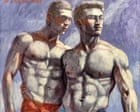
The story of the modern Fire Island is, in some ways, a particularly American one, in which outcasts light out for the territories to make their dreams come true. In the case of the picturesque barrier island off the coast of Long Island, those dreams were both sexual and creative from the start. Edited by John Dempsey, island resident and president of the Fire Island Pines Historical Society, Fire Island Art: 100 Years traces a legacy begun by the pre-war trio of Paul Cadmus, Jared French and Margaret French, who, as part of the artistic collaboration PaJaMa, made beguiling paintings and photographs of the unconventional intimacies they formed while summering among the island’s nooks and crannies.