
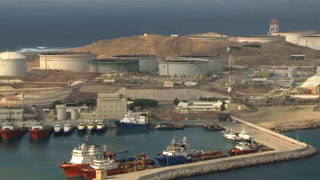
The United Arab Emirates announced Tuesday it would be leaving OPEC, the Organization of the Petroleum Exporting Countries, on May 1. The UAE has long disagreed with Saudi Arabia over oil production quotas and says it is leaving the group to focus on “national interests” and increase its production capacity.
“The fact that the UAE has pulled out means that this cartel will have less ability to be able to push up the price when it wants,” says Akshat Rathi, senior climate reporter at Bloomberg News. “We’ve already seen some of it not working, because there are all these other producers, like the U.S.A., but also places like Guyana, that are increasing their production a lot.”
Meanwhile, Rathi adds that as countries across the globe brace for the ripple effects of the energy shocks created by the U.S.-Israeli war on Iran, transitions to clean energy could be accelerated. “In the past, when countries were faced with this kind of energy shock, they had options that were quite limited,” says Rathi. But now countries can “try and deploy as much renewables so that they can build energy supply at home.”