This book would have been strengthened by an analysis of how capitalism’s need for a scapegoat has led to Muslims being targeted
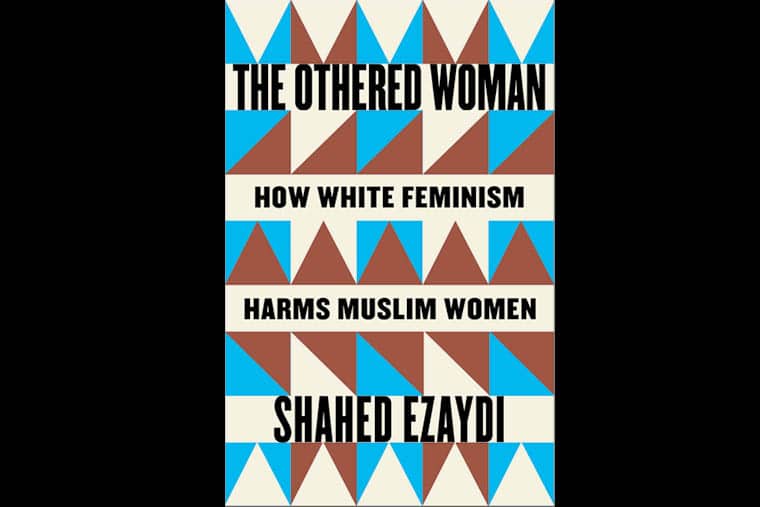
Shahed Ezaydi’s debut book, The Othered Woman—How White Feminism Harms Muslim Women, is definitely not “too niche”, despite what publishers said when she pitched it.
It is incredibly relevant and tackles themes ranging from the Muslim women’s hijabs to Western imperialism’s role in marginalising Muslims.
Ezaydi not only introduces these topics, but links them together to paint a wider picture of how Muslim women are silenced.
At the core of her argument is the idea that Muslim women are used as political pawns and our voices are not respected.
Muslim women are stereotyped as submissive and in need of rescuing. Nigel Farage’s response after Reform UK’s loss in the Gorton and Denton by-election earlier this year is an example of this.
He inflamed this stereotype by accusing the Muslim community of “family voting”. In other words, Muslim women were allegedly told by their husbands to vote for the Green Party and they just did as they were told.
Ezaydi says this bias is not just evident on the far right. It also manifests with “white feminists” feeling emboldened to create policy or laws that affect Muslim women but without involving us in the decision-making.
In essence, this liberal feminism acts as “a big sister” who never hands the mic over and deliberately mischaracterises Islam as the most oppressive force in Muslim women’s lives.
This “feminist” thinking manifests interpersonally, with Muslim women being asked patronising questions, such as, “how can you be a feminist and a Muslim?”.
Ezaydi looks at how far right women such as French fascist leader Marine Le Pen weaponise women’s liberation to create moral panics around “radical Islam”.
They try to present themselves as feminists by saying they can prevent “dangerous Muslim migrants” from entering their country.
This is all contradictory, as these women politicians represent far right parties who do not care about women’s rights. You don’t have to look too closely to see that concern about Islam is a veneer for politicians to gain power and relevance.
Ezaydi shows how white or liberal feminism has ignored the genocide in Palestine and doesn’t see this as a feminist issue.
She contrasts this with the example of the death of Mahsa Amini in Iran. Amini died following her arrest for allegedly not wearing a headscarf in accordance with Iran’s authoritarian laws. Here, liberal feminists were rightly active in condemning the Iranian state.
They took to social media and the streets, and many even cut their hair off in solidarity.
This inconsistency can only be ascribed to a belief that Muslim women need to be liberated from Islam—rather than from bombs dropped by Western, “democratic” countries like Israel or the US.
This book would have been strengthened by an analysis of how capitalism’s need for a scapegoat has led to Muslims being targeted.
For instance, Ezaydi could have elaborated on how imperialism has driven Islamophobia.
This book falls into the pitfall of seeing racism only as a result of Western concepts, rather than a tool that capitalist states use to smear countries or minority groups that they want to target.
Nevertheless, I highly recommend this book. Though it isn’t anti-capitalist at its core, it successfully captures the political weakness of feminism that excludes racialised women.
Ezaydi highlights the urgency in tackling racism. There is no better time for Muslims to be part of the anti‑racist struggle and part of the movement for women’s liberation. We won’t be patronised.
- The Othered Woman by Shahed Ezaydi is available from Bookmarks bookshop, £14.99